
World-class events, including international conferences, exhibits, sporting events, concerts, and seasonal festivals, are held all year long in Dubai. Large group transportation management is crucial for timely schedules, attendee happiness, and brand reputation. A strong event transportation service keeps things running smoothly and lowers risk for tour operators, corporate travel managers, and event planners. This guide outlines doable tactics, operational best practices, and supplier selection advice for effectively managing large-group travel in Dubai. Your team can put these methods into practice right now.
The importance of event transportation in Dubai
High standards: Business visitors and VIPs accustomed to first-rate service are drawn to Dubai's events. First impressions and post-event evaluations are impacted by effective transfers.
Complicated logistics: Planning is complicated by a number of locations, different arrival times, airport transfers, and mixed-transport requirements (wheelchair access, groups with a lot of luggage).
Time sensitivity: Delays may result from city events, road construction, and heavy traffic. Reliability of scheduling is ensured by effective coordination.
Cost control: Optimal planning reduces per-head expenses without sacrificing service quality; group transport selections have a significant impact on event budgets.
The significance of transportation for events in Dubai
High standards: Dubai's events attract VIPs and business travelers who are used to excellent service.
Complicated logistics: Several venues, varying arrival times, airport transfers, and mixed-transport needs (wheelchair access and groups with a lot of luggage) make planning difficult.
Time sensitivity: Heavy traffic, road work, and city activities can all cause delays. Effective coordination ensures schedule reliability.
Cost control: Group transport choices have a big influence on event budgets; careful planning lowers per-head costs without compromising service quality.
Pre-event planning: steps that save time and money
Estimate demand precisely
- Use registration data, arrival patterns (flight blocks), and attendee profiles to forecast vehicle numbers, peak windows, and special requirements.
- Tip: Segment attendees into cohorts (VIPs, speakers, exhibitors, general delegates) to customize vehicle class and service level.
Build a layered transport plan
- Primary layer: scheduled shuttles for main routes and times.
- Secondary layer: reserved cabs for ad hoc or overflow needs.
- Contingency layer: backup vehicles, emergency contact points, and rapid-response drivers.
Choose the right vehicle mix
- Buses/coaches for large delegated blocks (40–60 seats).
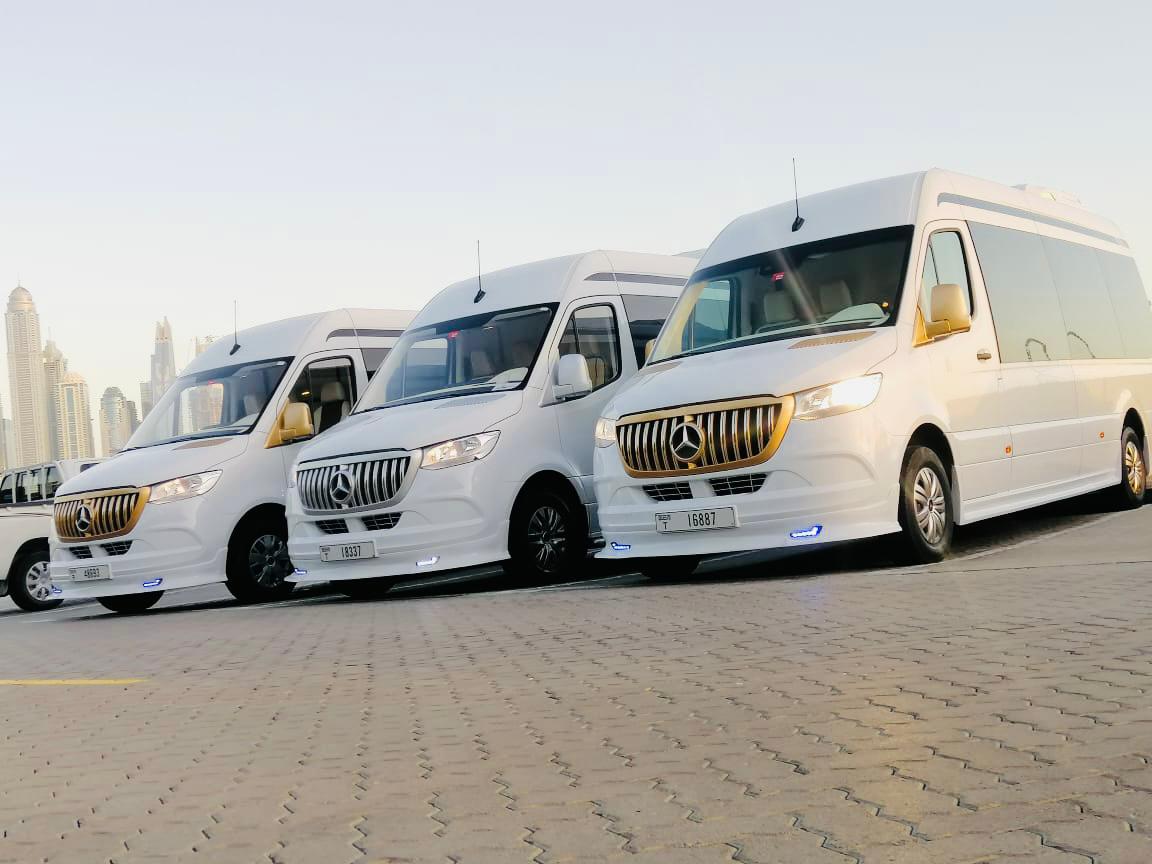
- Minibuses/vans for medium groups (8–18 seats).
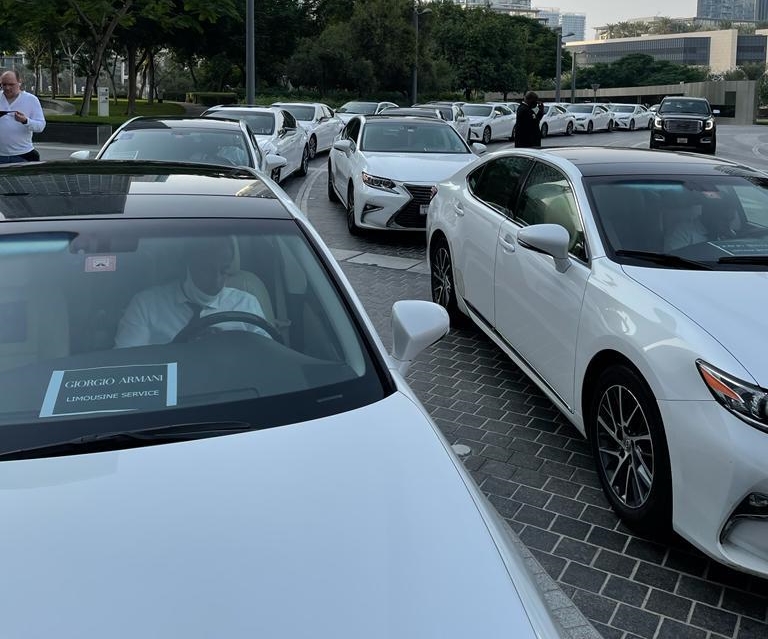
- Sedans and luxury cars for VIPs and speakers.
- Accessible vehicles for attendees with mobility needs.
Confirm airport transfer details early
- Coordinate flight arrival windows, terminal assignments, and passenger groups.
- Arrange meet-and-greet teams and signage for easy identification.
- Provide attendees with clear instructions and contact numbers in advance.
Book reputable local providers
- Evaluate vendors on licensing, insurance, driver training, fleet condition, and references.
- Insist on service-level agreements (SLAs): arrival windows, driver uniformity, passenger assistance, and penalty clauses for no-shows.
Operational best practices during the event
Centralize communications
- Use a dedicated transport coordination desk (physical or virtual) to manage pickups, delays, and last-minute route changes.
- Provide a single point of contact for vendors and venue operations.
Real-time tracking and visibility
- Use GPS tracking for vehicles and dashboards displaying ETAs.
- Share live updates with attendees via an event app, SMS, or hospitality desks.
Staggered scheduling
- Avoid mass departures at single times. Create staggered shuttle windows and buffer times between sessions, reducing congestion and wait times.
Designated loading/unloading zones
- Secure parking and clear signage for event vehicles at hotels and venues to prevent confusion and traffic build-up.
- Coordinate with venue and local authorities for temporary traffic management if necessary.
On-site staff and marshals
- Station trained staff to guide passengers, manage queues, assist with luggage, and resolve issues quickly.
- Ensure staff have radios and mobile connectivity for immediate coordination.
Contingency response
- Keep a reserve fleet available and pre-authorized for emergency dispatch.
- Prepare a rapid escalation matrix (who to call for mechanical issues, traffic incidents, or passenger emergencies).
Tools and technology that increase productivity
Platforms for booking and dispatch: To cut down on idle time, centralize driver assignments, reservations, and route optimization.
Real-time communications: Attendees are informed of pick-up locations and delays via chatbots, push notifications, and SMS.
Apps for mobile drivers: Offer check-in confirmations, ETAs, and turn-by-turn navigation.
Analytics dashboards: Post-event reporting on wait times, vehicle utilization, and cost per transfer to improve future planning.
ROI and cost control
Group pricing versus ad hoc fares: Using bulk services instead of just individual reservations frequently results in lower per-head prices.
Fuel and routing optimization: Mileage and driver hours are decreased by route planning.
Common shuttles: Including neighboring hotels or locations in common routes boosts occupancy while cutting expenses.
KPIs to keep an eye on include average wait times, passenger satisfaction ratings, cost per seat, and on-time performance.
Safety, legal, and compliance aspects
Permits and licenses: Verify that drivers and vehicles are authorized for commercial passenger transportation in the United Arab Emirates.
Insurance: Verify that suppliers have sufficient passenger and public liability coverage.
Safety procedures: Check vehicle maintenance logs, driver background checks, and proper driving records.
Health recommendations: Uphold hygienic standards, first aid supplies, and medical emergency procedures.
Providing a first-rate passenger experience
Transparent pre-event communication: Provide contact details, pick-up locations, and transportation directions during registration and through reminders.
Meet-and-greet and concierge services: Individual greeters lessen uncertainty and enhance the arrival experience.
Baggage handling: Assign baggage crews and vehicles appropriate for groups with a lot of bags for airport transfers.
Accessibility: To help guests with impairments, provide accessible cars and qualified staff.
Touches of hospitality: Maps, water bottles, and event schedules increase attendees' perceptions of value.
Checklist for choosing vendors for event transportation
- Fleet diversity and availability (coaches, minibuses, vehicles)
- A track record of success with big events in Dubai
- Technological skills (booking and tracking)
- Service-level assurances and the escalation procedure
- Clear conditions of the contract and pricing
- Citations and historical event performance indicators
- Familiarity with airport operations and traffic patterns in Dubai
Example case (illustrative)
1,200 people were anticipated to attend a mid-sized tech conference in Dubai, with 60% coming from overseas. Early collaboration with a specialized event transportation provider allows planners to:
Meet-and-greet teams are staffed during scheduled airport transfer blocks that correspond with flight arrivals.
Provided shuttle loops with staggered intervals between the venue and two hotels.
maintained a reserve of minibuses to accommodate speaker transports and late arrivals.
Results include 95% on-time transfers, lower taxi surge expenses, higher attendee satisfaction ratings, and a 12% decrease in transportation expenditures when compared to previous events that used ad hoc taxis.
Assessing performance and gaining knowledge for upcoming events
- Gather passenger opinions right away using an app or SMS.
- Examine telematics data, including utilization, idle time, and route efficiency.
- Examine the vendor's compliance with incident records and SLAs.
- To find ways to improve, conduct a post-event analysis with transportation partners.
A useful checklist for event coordinators (quick reference)
- Verify segment cohorts and attendance arrival patterns.
- Make early reservations for meet-and-greet services and airport transfer windows.
- Choose a mix of vehicles and set aside a backup fleet.
- Centralize real-time tracking and communication.
- Secure loading zones and space out departures.
- Inform drivers and on-site employees on service standards and schedules.
- Gather metrics and comments for ongoing development.
Conclusion
In the post-GCC War context, the region’s travel infrastructure and event landscape have adapted rapidly. Event transportation service providers in Dubai now emphasize resilience, flexible capacity, and enhanced contingency planning to accommodate sudden changes in travel patterns or regulatory shifts. For organizers, partnering with a trusted local operator brings not just logistical support but strategic assurance: fast re-routing, diplomatic coordination when needed, and contingency staffing. Cabs Driver combines deep local knowledge with a diverse fleet and technology-driven dispatch to ensure your group moves smoothly, even amid regional uncertainty. Contact Cabs Driver today to get a tailored event transportation plan and a reliable Dubai airport transfer solution for your next event.



Comments
No comments yet. Be the first!